Case Studies Sell Better Than Portfolio Screenshots
Portfolio screenshots show what a project looks like, but case studies explain why the project mattered. For B2B clients, that context often creates more trust than visuals alone.
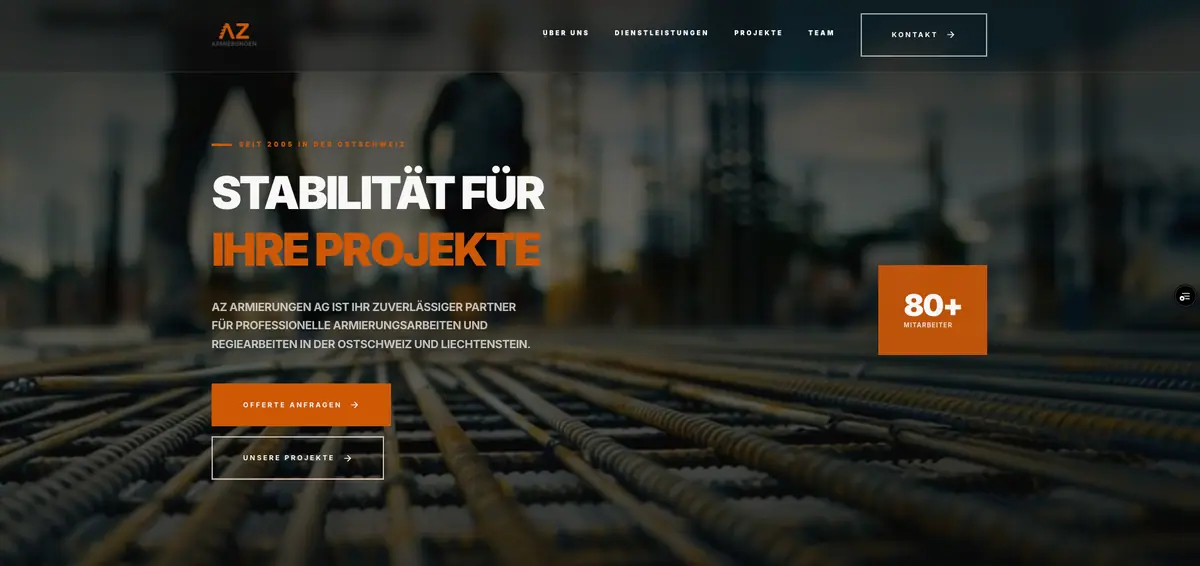
Screenshots are only the surface
A nice screenshot can catch attention, but it does not explain the problem, decision process or value. Buyers need to understand what changed and why the solution made sense.
This is especially important for service businesses, construction firms, transport companies and B2B websites where trust matters more than visual style alone.
What a useful case study includes
A case study should explain the industry, problem, solution, deliverables and result. It should also show enough visual proof to make the work feel real.
- client or project context
- business problem
- design and development solution
- deliverables
- next step or live link
Case studies support conversion
When a visitor reads a service page and then sees a relevant case study, the offer becomes more concrete. The website no longer only claims expertise; it demonstrates it.
Implementation checklist
- 01Add context to every important project.
- 02Explain the business problem in plain language.
- 03Show deliverables and decisions.
- 04Link case studies from service pages.
- 05Use project pages in LinkedIn posts and outreach.
FAQ
Are portfolio screenshots still useful?
Yes, but they work best when combined with context. Screenshots attract attention, while case study text builds trust.
How long should a website case study be?
It does not need to be long. A clear problem, solution, deliverables and result are often enough to make the project more convincing.
Next reads
Related guides.
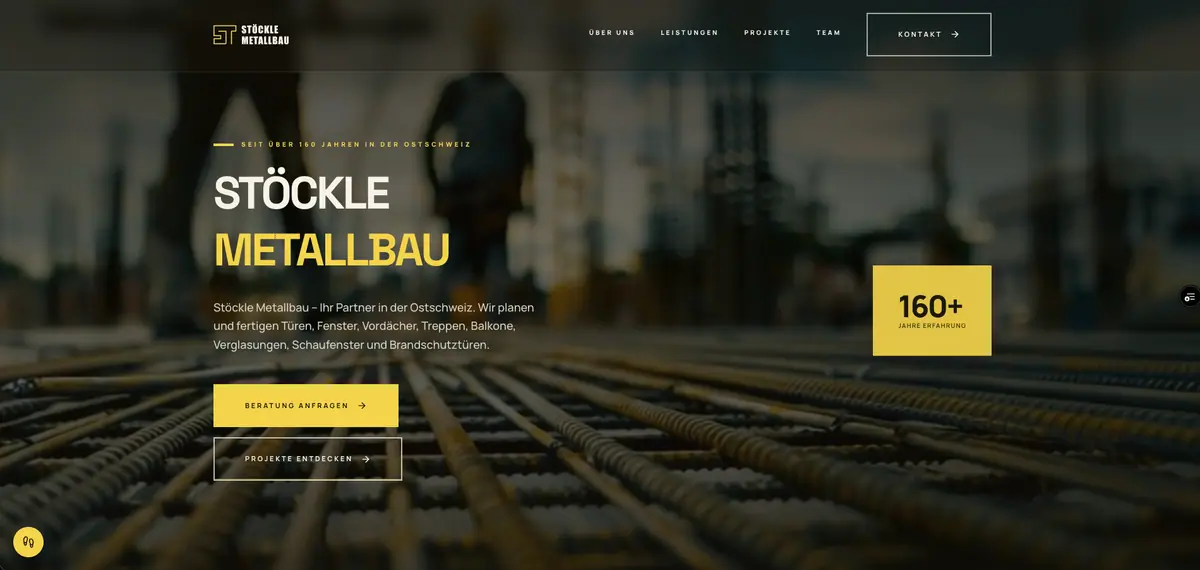
Service Page SEO
How DACH companies can structure service pages for Google visibility, buyer trust and stronger conversion.
DACH Web Agency Guide
A practical guide for DACH companies choosing a web agency for websites, SEO, performance, trust signals and qualified inquiries.
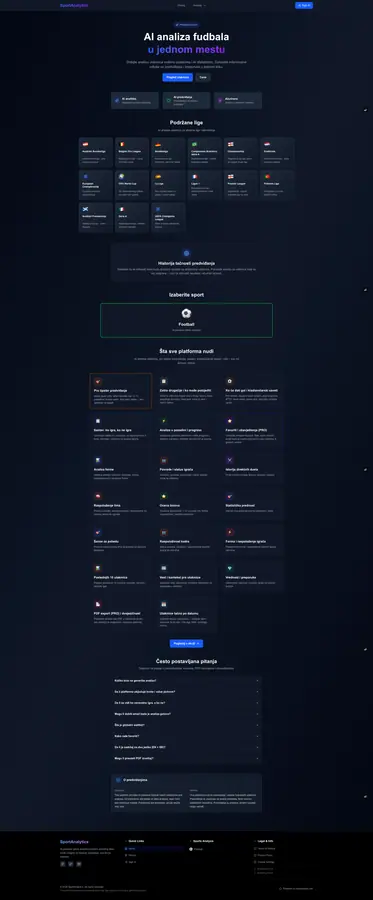
Traffic But No Inquiries
Why website traffic does not always create leads and how DACH companies can improve clarity, trust, CTAs, analytics and conversion paths.